Automation & Manual Testing Course for Quality Assurance Professionals?
- Feb 20, 2025
- 4 min read
Introduction
Quality assurance (QA) is the backbone of software development. Ensuring that applications function correctly and efficiently is crucial in delivering high-quality products to users. With the rapid evolution of technology, businesses seek professionals skilled in both manual and automation testing to enhance software quality and efficiency.
If you're looking to establish a successful career in software testing, enrolling in a software quality assurance course is the first step. In this blog, we will explore the importance of QA testing, the skills required, and how a structured QA automation course can help you excel in this domain.
What is Software Testing?
Software testing is the process of evaluating an application to ensure it meets the specified requirements. It involves identifying defects and ensuring the software performs optimally under different conditions. Software testing is broadly classified into:

Importance of Quality Assurance in Software Development
Software quality assurance ensures that applications meet industry standards and user expectations. Here’s why QA is indispensable:
Detects Bugs Early: Early detection of defects reduces costs and enhances product reliability.
Enhances Security: Helps prevent security vulnerabilities that could compromise user data.
Improves Performance: Ensures the software runs smoothly across multiple platforms and devices.
Boosts User Experience: A well-tested application delivers a seamless experience to users, increasing retention rates.
Manual Testing: Foundation of Software Quality Assurance
What is Manual Testing?
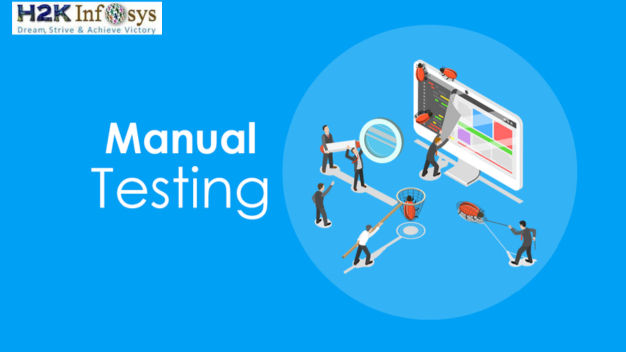
Manual testing involves the human execution of test cases without the assistance of automation tools. It is crucial for understanding software behavior in real-world scenarios and finding critical usability issues.
Key Aspects of Manual Testing
Requirement Analysis: Understanding application requirements before testing.
Test Planning & Case Development: Creating test scenarios and cases based on requirements.
Execution & Bug Reporting: Manually executing test cases and documenting defects.
Regression Testing: Retesting after bug fixes to ensure no new issues arise.
Real-World Example
Imagine testing an e-commerce platform. Manual testers simulate user journeys, like browsing products, adding items to the cart, and making a purchase. They ensure that all functionalities work correctly, providing real-time feedback for developers.
Automation Testing: Enhancing Efficiency and Accuracy
What is Automation Testing?
Automation testing involves using tools to execute test cases, reducing the effort required for repetitive tasks. It increases efficiency, speed, and test coverage.
Key Automation Testing Tools
Selenium: Popular for web application testing.
JUnit/TestNG: Used for unit testing in Java applications.
Appium: Ideal for mobile application testing.
Cypress: Known for modern web application testing.
Advantages of Automation Testing
Saves Time & Cost: Automated tests run faster and require less manual effort.
Enhances Accuracy: Reduces human errors in test execution.
Supports Continuous Integration (CI/CD): Ensures seamless software deployment in agile environments.
Example of Automated Test Script in Selenium (Java)
import org.openqa.selenium.WebDriver;
import org.openqa.selenium.chrome.ChromeDriver;
import org.openqa.selenium.By;

public class TestAutomation {
    public static void main(String[] args) {
        System.setProperty("webdriver.chrome.driver", "path/to/chromedriver");
        WebDriver driver = new ChromeDriver();
        driver.get("https://example.com");
        driver.findElement(By.id("login")).sendKeys("username");
        driver.findElement(By.id("password")).sendKeys("password");
        driver.findElement(By.id("submit")).click();
        driver.quit();
    }
}
Course Overview: Software Quality Assurance Training
A structured software quality assurance course helps learners master both manual and automation testing. Below is an overview of what a QA automation course covers:
1. Introduction to Software Testing
Basics of QA and testing methodologies
SDLC and STLC concepts
2. Manual Testing Fundamentals
Writing test cases
Exploratory and regression testing
Bug reporting and test documentation
3. Automation Testing Techniques
Introduction to Selenium, Appium, and Cypress
Scripting test cases in Java/Python
Framework development and implementation
4. Test Management Tools
JIRA for defect tracking
TestRail for test case management
5. Performance & Security Testing Basics
Load testing using JMeter
Security testing principles
6. CI/CD Integration
Continuous testing with Jenkins
Integrating automated tests into the development pipeline
Industry Demand for QA Professionals
Job Market Trends
The demand for skilled QA testers is rising. According to industry reports:
The software testing market is expected to reach $60 billion by 2027.
Over 70% of companies prefer automation testing to accelerate development.
Companies using automation testing have 50% faster release cycles.
Career Opportunities
Upon completing a QA course, professionals can apply for roles such as:
Manual Tester
Automation Test Engineer
QA Analyst
Software Test Manager
Why Choose a Structured Training Program?
A well-structured QA automation course offers hands-on learning, expert guidance, and real-world projects. Platforms like H2K Infosys provide in-depth training with practical exposure, ensuring learners gain the required expertise to excel in QA roles.
Benefits of Enrolling in a QA Course
Hands-on Training: Real-world projects and exercises.
Industry Expert Mentorship: Learn from experienced QA professionals.
Job Assistance: Resume preparation and interview guidance.
Final Thoughts
Becoming a QA professional requires the right mix of knowledge, skills, and practical experience. Whether you are starting fresh or transitioning into software testing, enrolling in a software quality assurance course will set you on the path to success. If you are ready to take your career to the next level, consider structured training from H2K Infosys to gain hands-on expertise.
Key Takeaways
Manual and automation testing are essential for software quality.
A QA automation course covers practical skills in tools like Selenium, Appium, and JIRA.
The demand for QA professionals is growing rapidly.
Training programs from H2K Infosys provide hands-on learning and career support.
Are you ready to master software testing? Enroll in a software quality assurance course today and take the first step towards a successful QA career!


Comments